
Upcoming Events


Community Researchers in Palliative and End-of-Life Care Research - A PRI and Sawubona Group Virtual Learning and Knowledge Exchange Event
The NIHR Palliative Care Research Incubator, in partnership with the Sawubona group, is hosting a virtual half-day event on community researchers in palliative and end-of-life care research on Thursday 15 October 2026, 09:30–12:30. Community researchers — people recruited from, and trusted within, their own communities — are one of the most effective routes to ensuring research reaches populations that have historically been under-served by it. The morning will set out why community researcher models matter for equity in palliative and end-of-life care, share practical guidance on recruiting, training, paying and supporting community researchers, and give space to hear directly from community researchers themselves about their experiences and priorities. Participants will leave with approaches they can apply to their own studies, and with opportunities for future collaboration, mentorship and network development.
The event is for anyone involved in palliative and end-of-life care research who wants to work more equitably with under-served communities. This includes researchers at any career stage, from PhD students and research assistants through to senior investigators; PPIE and community engagement leads; research delivery and clinical research staff; and community researchers themselves, along with colleagues from community and voluntary sector organisations. No prior experience of working with community researchers is assumed — the session will be equally useful to those planning a first study and to those strengthening an existing approach.
Event Objectives
● Understand the importance of community researchers in palliative and end-of-life care research.
● Explore practical examples of inclusive and equitable research practice.
● Learn approaches for effectively supporting and working with community researchers.
● Hear directly from community researchers about their experiences and priorities.
● Identify opportunities for future collaboration, mentorship and network development.
Programme
09:30–09:40 Welcome and Introductions — Sabrina Bajwah
● Welcome
● Overview of the Incubator, the partnership with Sawubona, and the aims of the event
● Housekeeping and outline of the morning
09:40–10:00 Why Community Researchers Matter in Palliative and End-of-Life Care Research — Sabrina Bajwah
● Equity and inclusion in research participation
● Addressing barriers to engagement with underserved communities
● Lessons from recent EDI work — the RTE model and national research initiatives
10:00–10:45 Practical Guidance for Researchers — Zoebia Islam and community researcher (TBC)
Drawing on EBCA work and co-designed training.
● How to work effectively with community researchers
● Building equitable partnerships with organisations and CICs
● Payment, support and recognition
● Training and mentorship approaches
● Ethical and practical considerations
Facilitated panel discussion and audience Q&A
10:45–11:00 Break
11:00–11:45 Examples of Good Practice: Community Researcher Models in Action — Catriona Mayland and Rukia Saleem (community researcher)
● Case study presentations from existing studies
● Co-produced community engagement approaches
● Recruitment and trust-building
● Impact on research quality and inclusion
● Experiences of working within research teams, and what supports meaningful involvement
● Barriers, opportunities, and recommendations for researchers and institutions
Facilitated panel discussion and audience Q&A
11:45–12:25 Future Priorities and Open Discussion — All
Panel discussion.
● Building a sustainable community researcher network
● Mentorship opportunities
● Training needs
● Future collaborations across palliative and end-of-life care research
12:25–12:30 Reflections and Key Takeaways — Sabrina Bajwah
● Summary of key messages
● Opportunities for continued involvement
● Next steps and future activities

The Role of the Research Delivery Network in Supporting Research Capacity in Palliative Care
People with palliative care needs, and their family carers, deserve care that is informed by the highest quality evidence, enabled by research active and informed health and social care professionals. Palliative care professionals recognise the importance of research but often do not know how to get more involved.
The Research Delivery Network of the NIHR recognised palliative care as a specialty in April 2024 and at the same time recognises the different settings in which palliative care research is delivered. This network is supported by national and regional leaders in palliative care research delivery.
This session will be delivered by the national lead in palliative care and the national residential setting (which includes inpatient hospice care) lead.
It will outline opportunities for developing capacity and capability in palliative care research.
This webinar is for anyone with an interest in clinical research from across the multidisciplinary team. This includes those new to research and also those with more research experience.
The webinar is run by Dr Amy Gadoud and Sandra Prew.
Dr Amy Gadoud is a Senior Lecturer in Palliative Medicine at Lancaster Medical School where she is NIHR Integrated Clinical Academic Training Lead. She works with colleagues in the International Observatory on End of Life Care, Lancaster University. Her main research interest is ensuring equality in access to palliative care using a range of research methods from analysing large datasets to qualitative studies.
In 2024 she was appointed the first national palliative care lead for the NIHR Research Delivery Network.
She works clinically as an Honorary Community Consultant in Palliative Medicine at Trinity Hospice and Blackpool Teaching Hospitals NHS Foundation Trust.
Sandra Prew is the National Residential Settings Lead for the NIHR Research Delivery Network and ARDT Senior Manager (WCS/Clinical) WMRRDN
Sandra is a qualified nurse by background, celebrating 30 years of NHS service, and has both local and National roles supporting growth in Wider Care Settings. She brings 17 years of research experience across a variety of studies from application to dissemination and has supported research in wider care settings for the last 10 years. Experience with Hospices and Care Homes in becoming research-aware, engaged, and active. She has utilised this experience to support growth in other settings, including Prisons, Local authorities, Learning Disabilities, and Dental Practices.

From nurse to professor: a biographical account (Prof. Irene Tuffrey-Wijne with Prof. Kate Woodthorpe)
In this seminar Professor Irene Tuffrey-Wijne will share her experience of becoming a research active nurse, and her transition into academia. Through her passion for supporting adults with learning disabilities, in conversation with Prof Kate Woodthorpe, Irene will reflect on key conversations, milestones and moments that have shaped her career to date. The seminar will be of interest to nurses interested in expanding their research experience.
Prof. Irene Tuffrey-Wijne holds the world’s first Chair of Intellectual Disability & Palliative Care and leads Kingston University’s learning disability research group. Her research has focused on the experiences of people with a learning disability (internationally known as ‘intellectual disability’) around death and bereavement; communication and breaking bad news; and the provision of palliative care, including end-of-life care planning. Inclusion of people with a learning disability as study participants and as salaried researchers is a key part of our research, and developing inclusive research methods is one of our strengths.

NIHR Palliative and End of Life Care National Forum webinar: Symptom management in palliative and end of life care
Join us for this free webinar from the NIHR ARC National Palliative and End of Life Care Forum, led by Professor Morag Farquhar and Dr Ben Bowers. This national forum brings together researchers, health and care professionals, patients, carers, and the public from across England.
What to expect
In this session, researchers will share their research into symptom management at the end-of-life to support high-quality care for patients, families, and clinicians.
Who is it for?
Researchers, health and care professionals, and anyone interested in palliative and end‑of‑life care research.

Strategy for research – planning for yourself and planning for teams - how to get there (Prof. Fliss Murtagh)
This webinar is aimed at anyone doing or interested in doing end of life care research.
Webinar objectives:
Become aware of different approaches to strategy and planning in research
To consider what strategic thinking and planning might help your own research career progression
To consider what strategic planning might help your research team develop and grow
Fliss Murtagh is Professor of Palliative Care at Hull York Medical School, Director of the Wolfson Palliative Care Research Centre and an NIHR Senior Investigator. She is Research Lead for the Applied Health Research group within the Faculty of Health Sciences (the Academy of Primary Care, the Cancer Awareness, Screening and Diagnostic Pathways Research Group, and the Wolfson Palliative Care Research Centre).
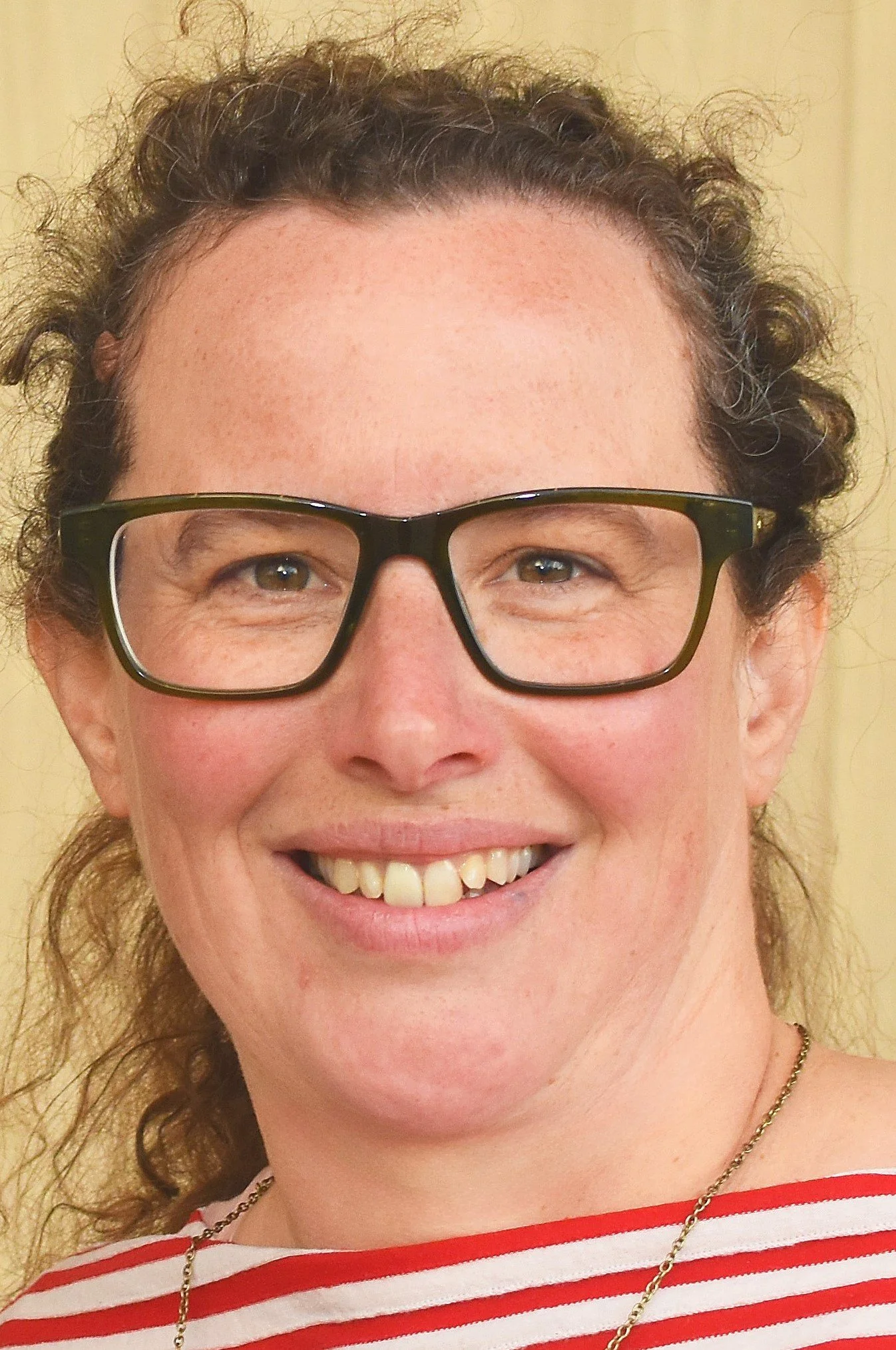
Connect & Share - Meet with Sarah Yardley
Sarah Yardley is an Associate Professor in Palliative Medicine interested in how everyday practices, relationships and experiences shape healthcare. Her research brings together patients, carers, professionals and artists to explore more inclusive, creative and co-produced approaches to care. She has led projects including Rewilding Healthcare (Trellis 5) and What do you, we, I see?, and is particularly interested in how creative methods can open up new conversations about palliative care and lived experience. Examples of her co-created work can be found online, including a Rewilding Healthcare comic, newspaper and audio piece.